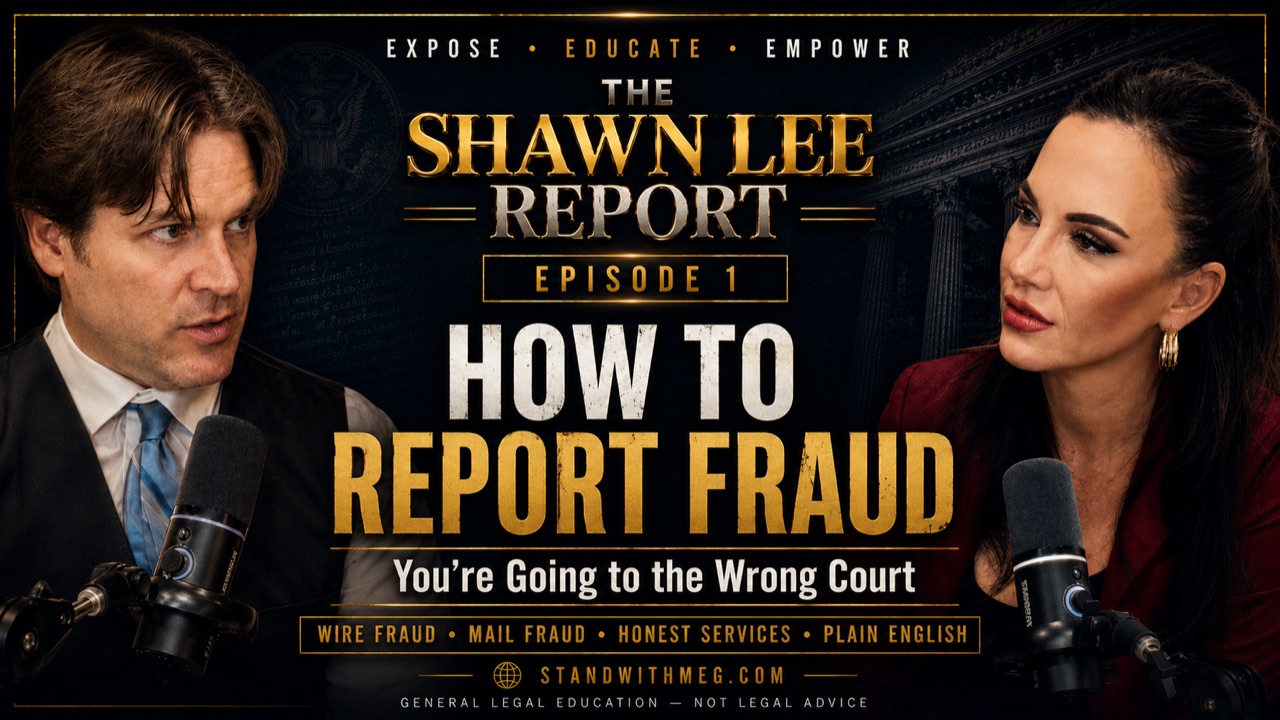
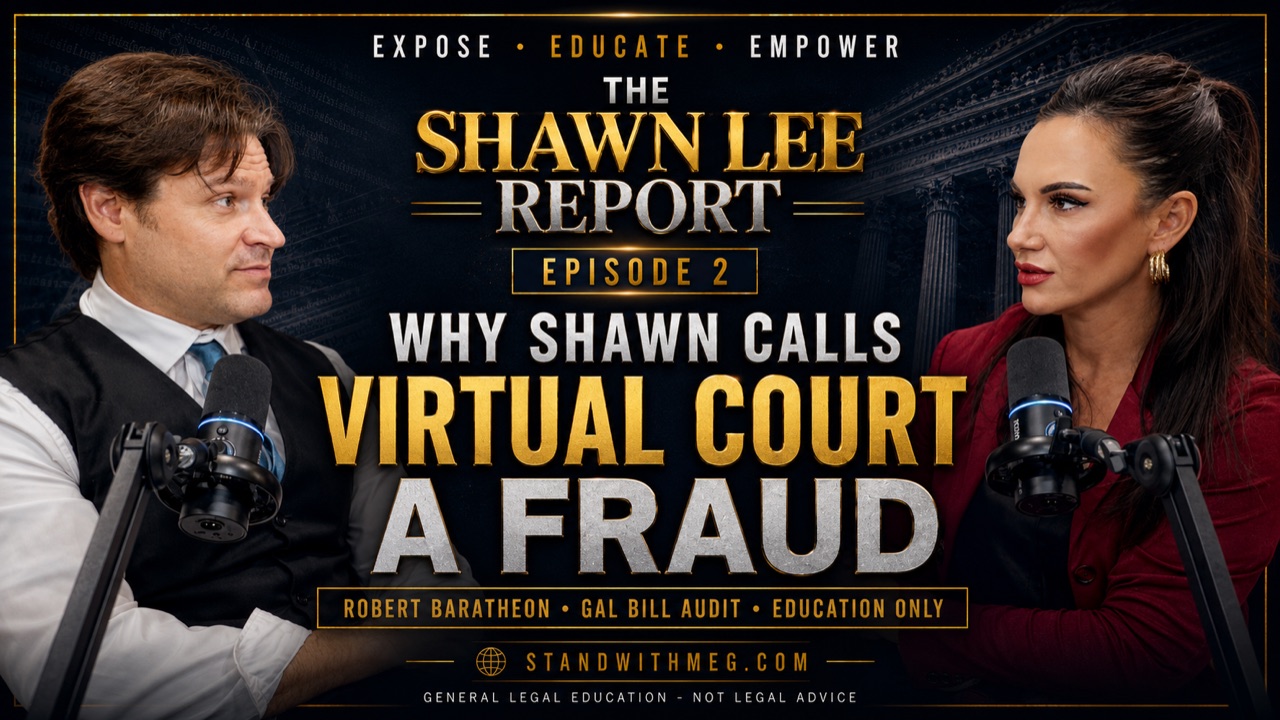
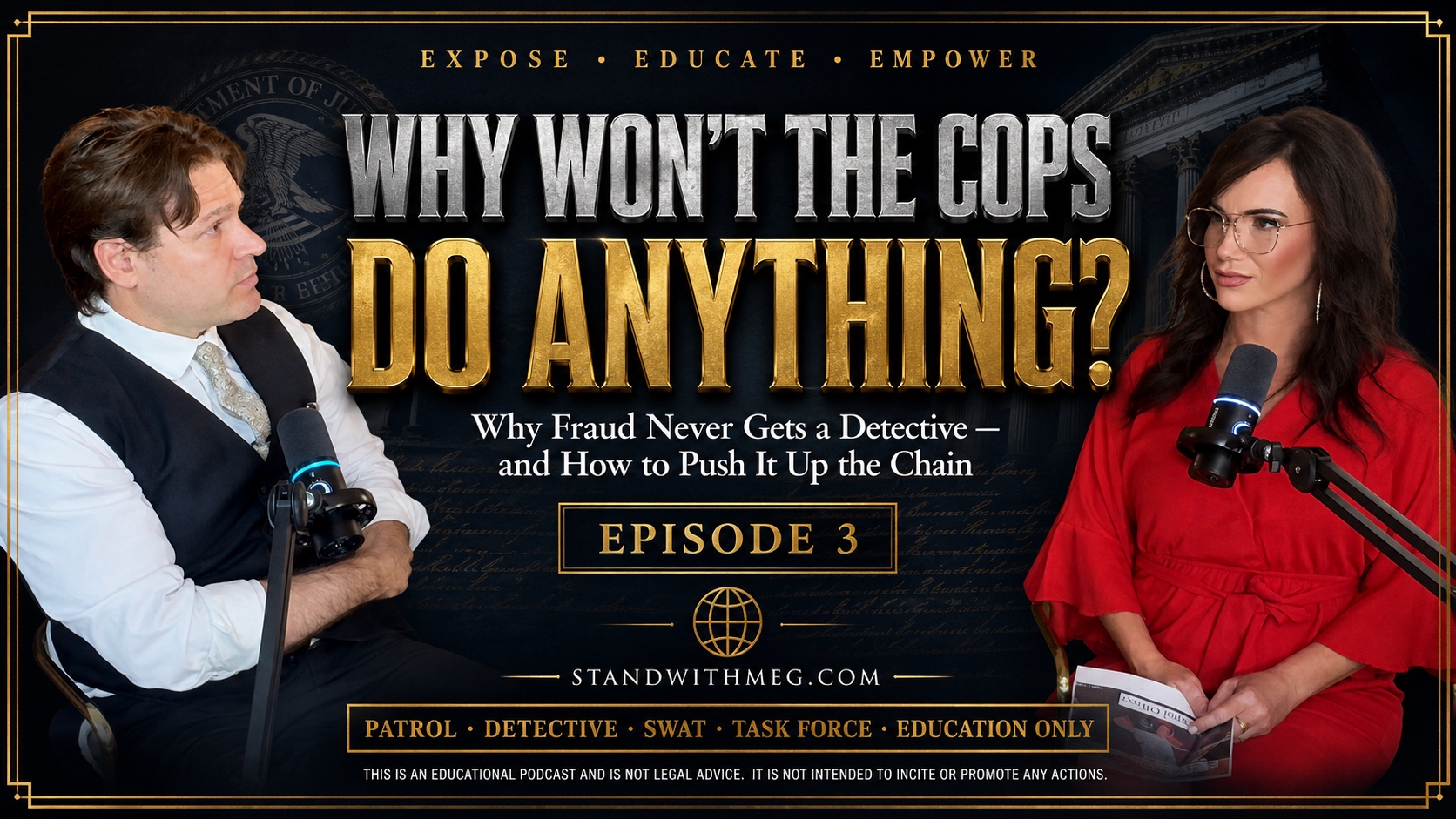
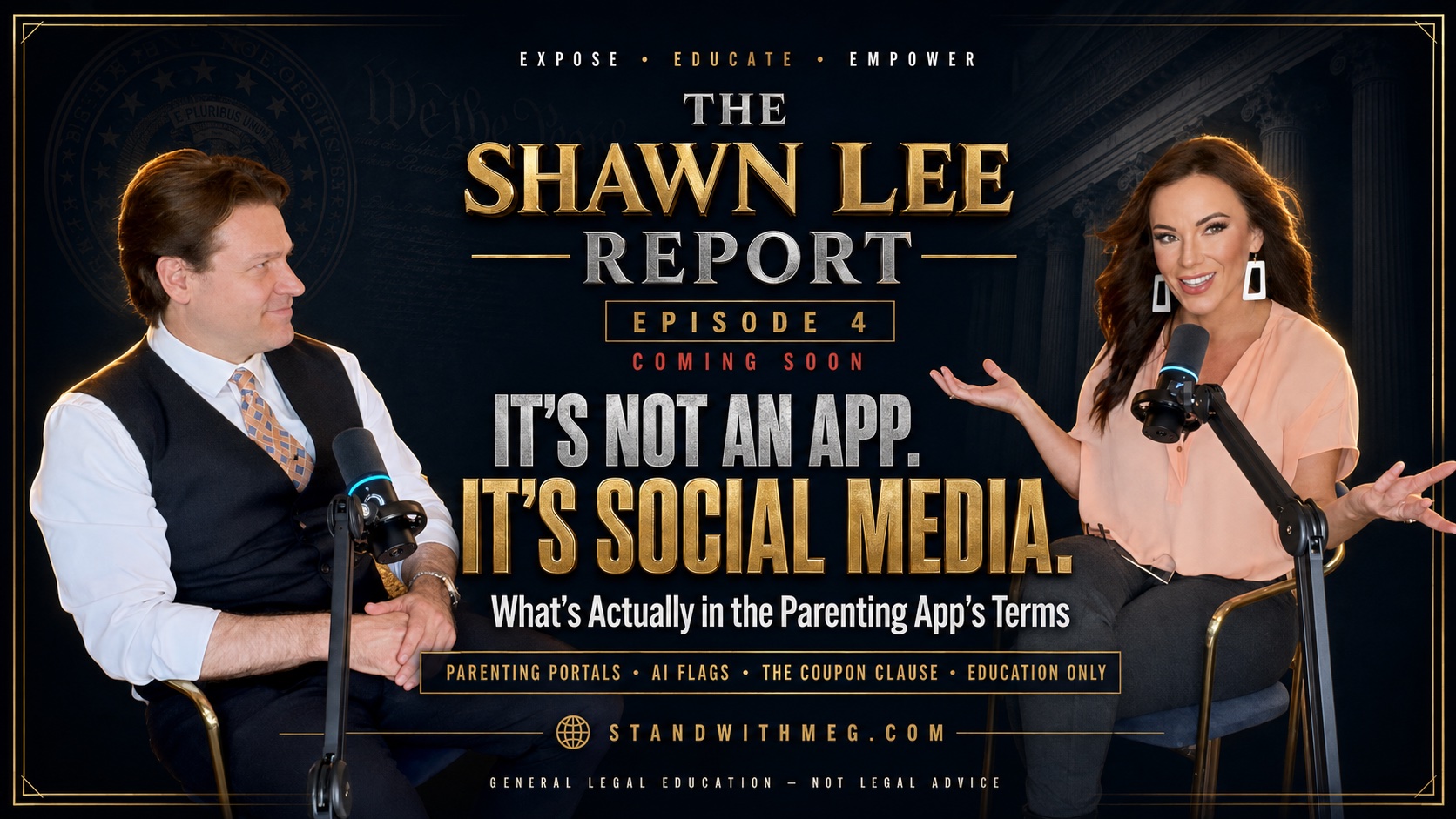
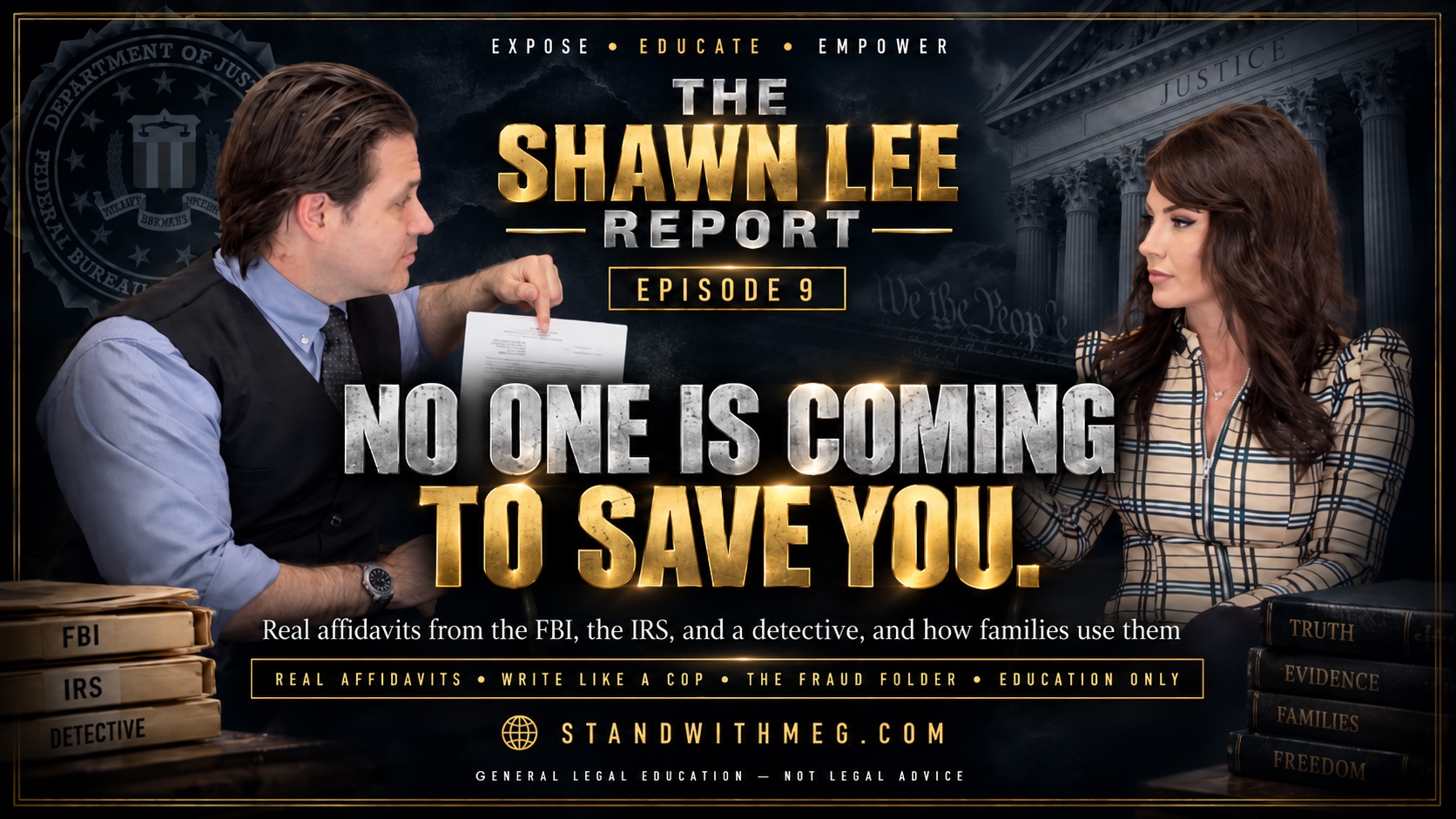
Episode 9 documents
Read the records for yourself: 8 PDFs for the cases discussed in Episode 9, including companion filings, plus the Missouri Bar article below. Downloads are free and do not require a Google account. Additional shared-folder material is in the research library.
Affidavits and charging documents describe allegations, not proof of guilt. Dockets show the record as of their download date; they are not live case updates.
- Download: Michael DiMassa — FBI affidavit (PDF, 6 pages)
October 2021 sworn statement describing alleged misuse of West Haven COVID-relief funds. The agent follows invoices, city payments, bank deposits, withdrawals, and witness interviews to explain the basis for a wire-fraud complaint.
Folder files: DiMASSA-Michael-affidavit.pdf and DiMASSA-Michael-affidavit-2.pdf are identical.
- Download: White, Johnson, and Grontis — IRS affidavit (PDF, 12 pages)
Filed August 23, 2012, this sworn statement supports a criminal complaint and arrest warrant. It explains an investigator’s basis for alleged wire-fraud conspiracy, money laundering, and related charges, drawing on interviews and financial records.
Folder file: White-Affidavit.pdf.
- Download: Percoco v. United States — petition appendix (PDF, 144 pages)
The appendix to a Supreme Court review petition collects earlier court decisions and case materials concerning honest-services fraud. This is historical litigation material, not the Supreme Court’s final ruling. Read it alongside the May 11, 2023 Supreme Court opinion, which rejected the challenged jury instruction.
Folder file: 20220217145509562_Percoco v. United States - Cert Petition Appendix.pdf.
- Download: David K. Elliott — indictment (PDF, 14 pages)
Filed August 18, 2026, in Southern Illinois case 3:26-cr-30108-SMY. The indictment sets out bank- and mail-fraud charges involving an attorney’s handling of funds, including his role as guardian ad litem. It is a charging document, not a conviction; this same record is linked under Episode 8.
Folder file: 06916553999.pdf.
Kansas records: State v. Shawn P. McMahon
A Sedgwick County, Kansas criminal case against a former Wichita police detective, charged under K.S.A. 21-5824 (Making False Information), the same statute Shawn walks in Episode 5. These are scanned copies of the public court filings. A complaint and an affidavit describe allegations; they are not findings, and the defendant is presumed innocent.
- Download: State v. McMahon — complaint/information (PDF, 4 pages)
Filed July 10, 2025. Three counts: two of Making False Information (Severity Level 8) and one of Interference With Law Enforcement by falsely reporting a felony (Severity Level 9). Includes the sworn verification pages and the State’s witness list.
- Download: State v. McMahon — redacted probable-cause affidavit (PDF, 5 pages)
The supplied redacted public copy; the first page bears a July 10, 2025 filing stamp. A Wichita Police detective lays out, step by step, how investigators compared the defendant’s written reports against recorded interviews and prior case records. This is the kind of affidavit Meg and Shawn walk in the episode: the sworn statement that explains why a charge was filed.
- Download: State v. McMahon — arraignment journal entry (PDF, 1 page)
Companion case record. August 27, 2026. Records a not-guilty plea and sets the case for jury trial in November 2026. The case is pending; check the Sedgwick County District Court for later developments.
Also cited: how Missouri polices its own lawyers
Read at the publisher: “Ethics: Lawyer disciplinary system to undergo restructure” (Missouri Bar, Vol. 82, No. 2, March–April 2026, by Hon. Zel Fischer and Andrea K. Spillars)
On February 24, 2026 the Supreme Court of Missouri issued new rules, effective January 1, 2027, that move every lawyer-complaint investigation into the full-time Office of Chief Disciplinary Counsel and end the volunteer regional committees that have handled Kansas City, St. Louis, and Springfield complaints since 1991. Useful context for who actually investigates when a family files a complaint against an attorney. The article is the Missouri Bar’s copyrighted work, so we link to it rather than host a copy.
Also discussed in Episode 9
Download: Clancy v. Tufts — amended civil complaint (PDF)
The filed civil claims discussed later in the episode. A complaint presents the plaintiffs’ allegations; it is not a court ruling.
General legal education, not legal advice for your situation.
SUB HUB · $5/MO
Subscribers get Q&A priority (your questions go first at the public live Q&A), behind-the-scenes access, and bonus content.
CHOOSE YOUR PLATFORM →